Moving from constant striving toward a life of vitality, flexibility, and intentional living.
Our Framework → The Toward-Move Approach

Many high-achievers spend years organizing their lives around outcomes:
→ The next achievement
→ The next milestone
→ The next problem to solve
→ The next expectation to meet
For a long time, this works.
These strategies often help people build careers, care for others, navigate high-pressure environments, and maintain external success. But over time, many people begin noticing an increasing sense of emotional exhaustion, disconnection, anxiety, burnout, resentment, or “stuckness.”
From an Acceptance and Commitment Therapy perspective, this often occurs when life becomes increasingly organized around experiential avoidance, attempting to control, outrun, suppress, or escape difficult internal experiences rather than building the capacity to engage meaningfully with life as it is.
When stress intensifies, people naturally default to what we call Away Moves.
Away Moves are behaviors designed to reduce discomfort in the short term, even when they move us further away from the kind of life we actually want to build.
The Toward Move Approach
The High-Achiever’s Paradox
Moving from constant striving toward psychological flexibility, vitality, and intentional living.
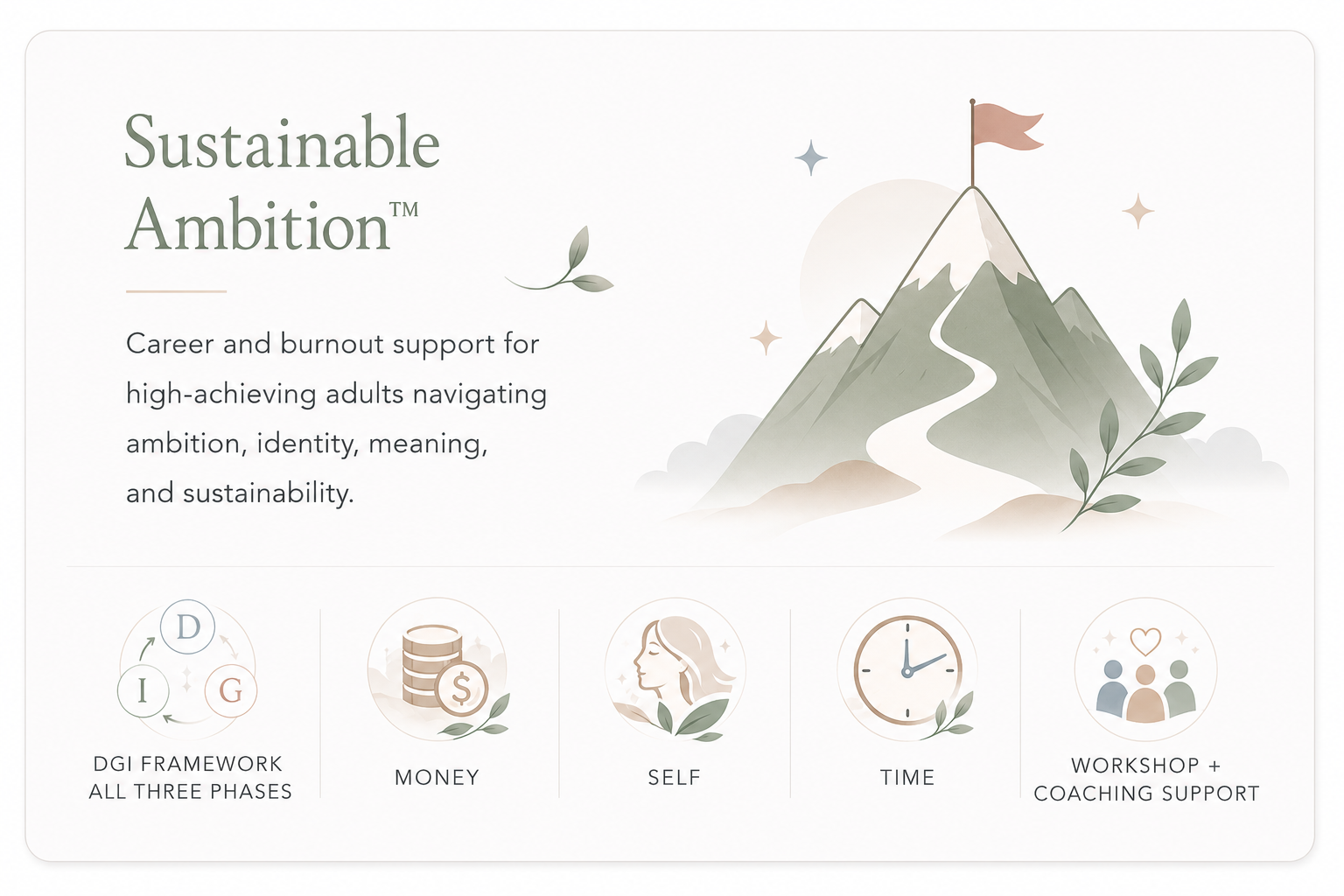
At The Red Door Therapy & Wellness Solutions, our work is grounded in the belief that many high-achieving adults are not struggling because they are incapable, unmotivated, or “broken.” In fact, most of our clients are exceptionally competent.
The problem is that the very patterns that helped them succeed, perfectionism, over-functioning, hyper-responsibility, emotional suppression, and relentless productivity, eventually become unsustainable.
What once functioned as adaptation slowly becomes survival mode.

Common Away Moves
Over-Functioning
Working harder, staying productive, and taking on more responsibility in an attempt to reduce anxiety or regain control.
Emotional Avoidance
Checking out through scrolling, over-scheduling, emotional withdrawal, numbing, or constant distraction because slowing down feels intolerable.
The “Should” System
Living according to rigid internal rules, perfectionistic expectations, and external validation while becoming increasingly disconnected from your own needs, values, and internal experience.
These patterns are not character flaws. They are adaptive survival responses.
The difficulty is that while Away Moves may temporarily reduce distress, they often reinforce chronic stress, cognitive fusion, emotional exhaustion, and disconnection from vitality, presence, and meaning over time.

The Toward Move
At The Red Door, we use ACT and somatic, experiential, and behaviorally-informed approaches…
To help clients build Psychological Flexibility, the ability to stay connected to the present moment, respond intentionally rather than react automatically, and take values-based action even when discomfort is present.
This is what we call a Toward Move.
A Toward Move is not driven by fear, pressure, perfectionism, or the desperate pursuit of the next outcome.
It is an intentional action rooted in values, presence, and psychological flexibility.

Toward Moves often look deceptively small:
Setting a boundary
Asking for support
Resting without “earning” it first
Allowing yourself to be fully present with your children or partner
Taking a walk instead of pushing through exhaustion
Making space for grief rather than immediately problem-solving it
Choosing authenticity over performance
These moves are important not because…
They are dramatic, but because they interrupt deeply conditioned patterns of survival.
Over time, Toward Moves help people reconnect with:
→ Vitality
→ Meaning
→ Connection
→ Flexibility
→ Authenticity
→ Presence
Beyond the Traditional Therapy Hour
Most traditional therapy models operate within a once-weekly structure that can unintentionally isolate therapeutic insight…
From the environments where behavior, stress, relationships, and nervous system patterns are actually occurring. Human behavior does not happen in isolation.
The patterns contributing to burnout, perfectionism, chronic stress, over-functioning, and emotional disconnection are reinforced within larger occupational, relational, cultural, and systemic contexts.
This is why The Red Door was intentionally designed as a clinical ecosystem rather than a single service.
Our ecosystem model recognizes that sustainable change often requires:
Repetition
Real-life application
Nervous system practice
Behavioral reinforcement
Community and relational support
Multiple opportunities for integration across contexts
Rather than asking clients to “hold onto” insights between sessions, we provide multiple pathways for experiential practice and ongoing connection.
A Clinical Ecosystem Designed for Real Life
Wellness-based supports integrated into daily life rhythms
This model is intentionally flexible because people’s needs change across seasons of life.
Some seasons require deeper clinical support and higher levels of structure. Others require maintenance, community, accountability, or lower-intensity touchpoints that help clients remain connected to the work over time.
Importantly, these services are not designed as disconnected offerings.
They are intentionally structured to reinforce one another through shared language, experiential practice, and behavioral integration.
To support this integration, The Red Door offers:

The Toward-Move Journey in Practice
Because this ecosystem is designed to evolve alongside your life, clients engage differently depending on their needs, capacity, and season.
During High-Stress Seasons
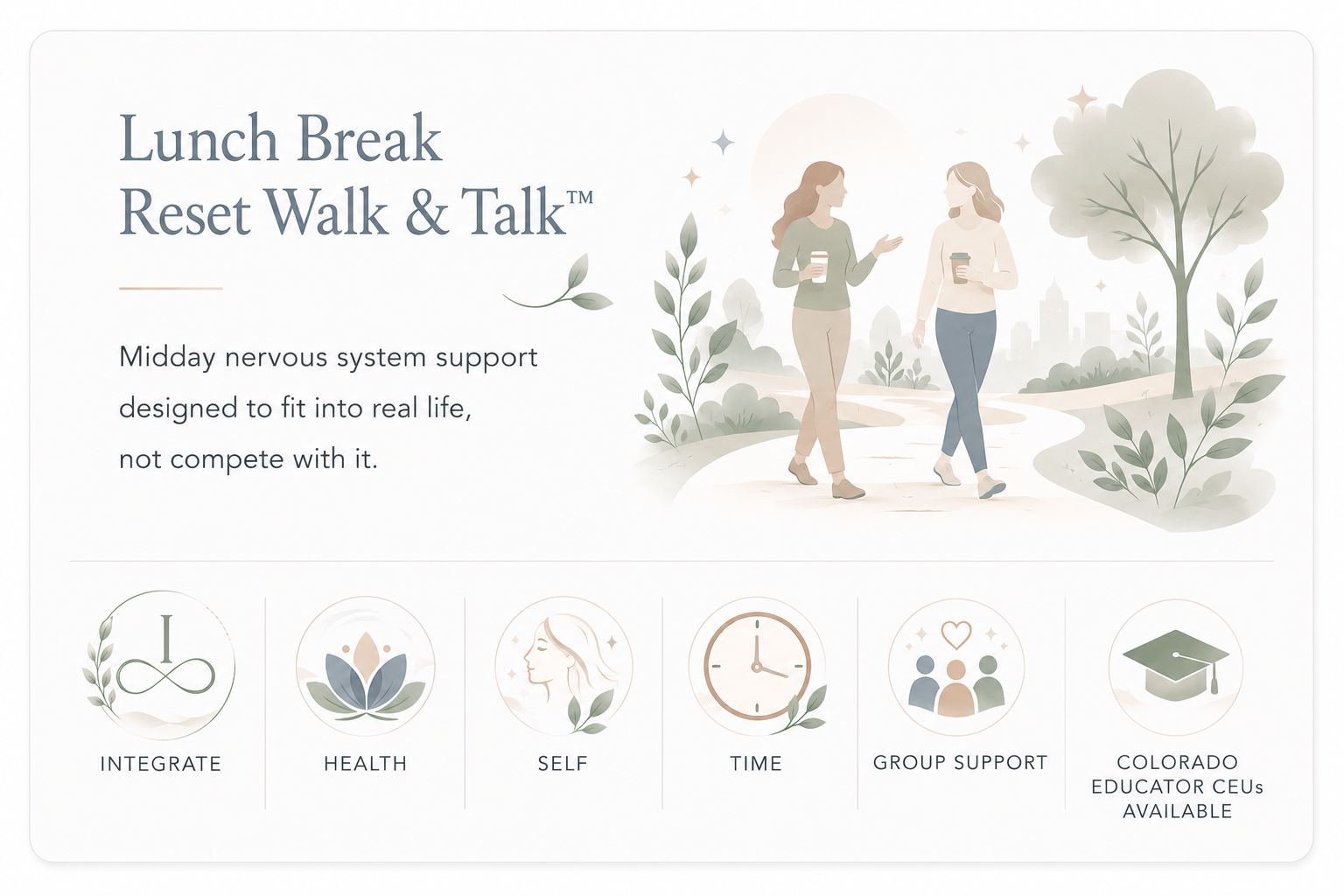
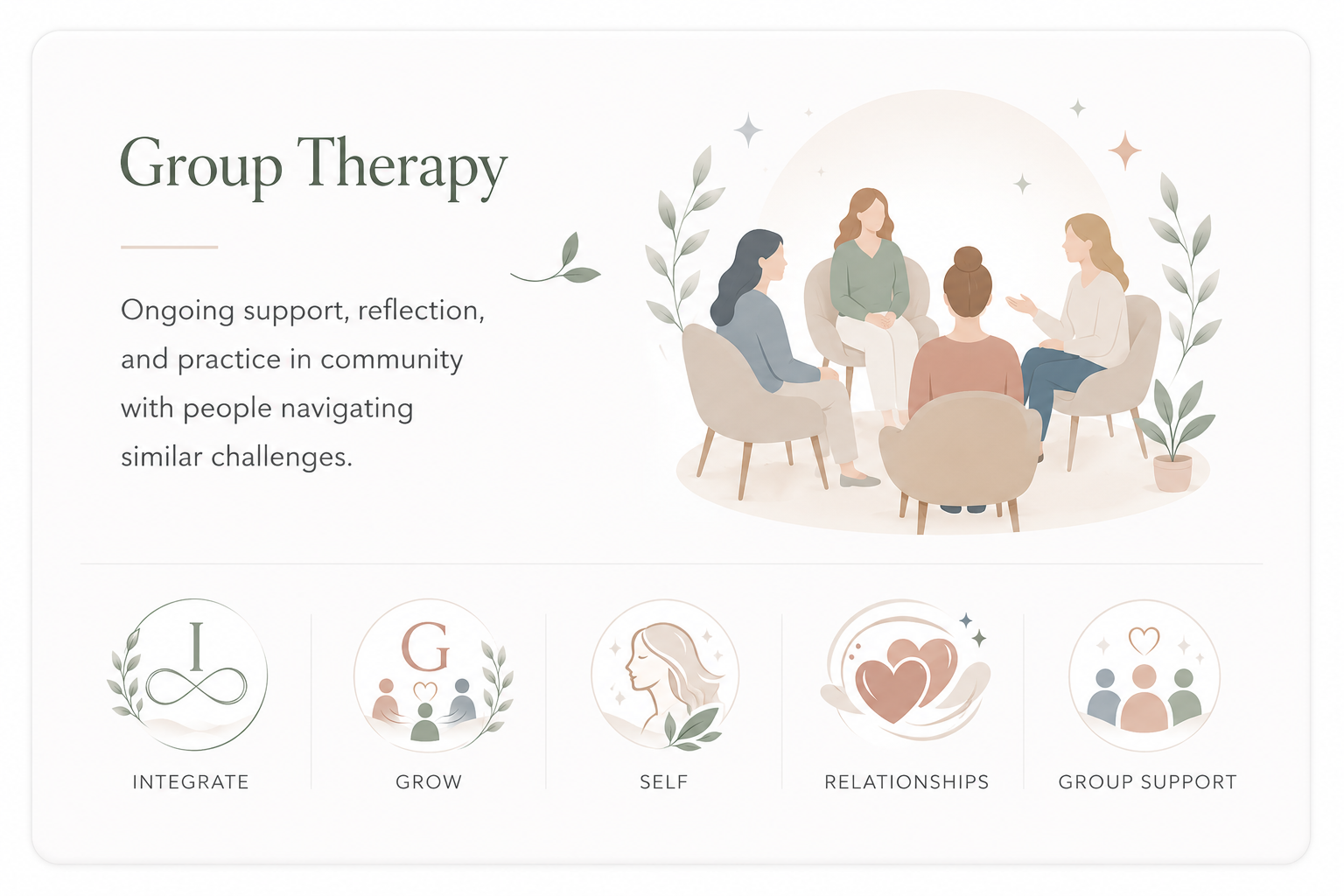
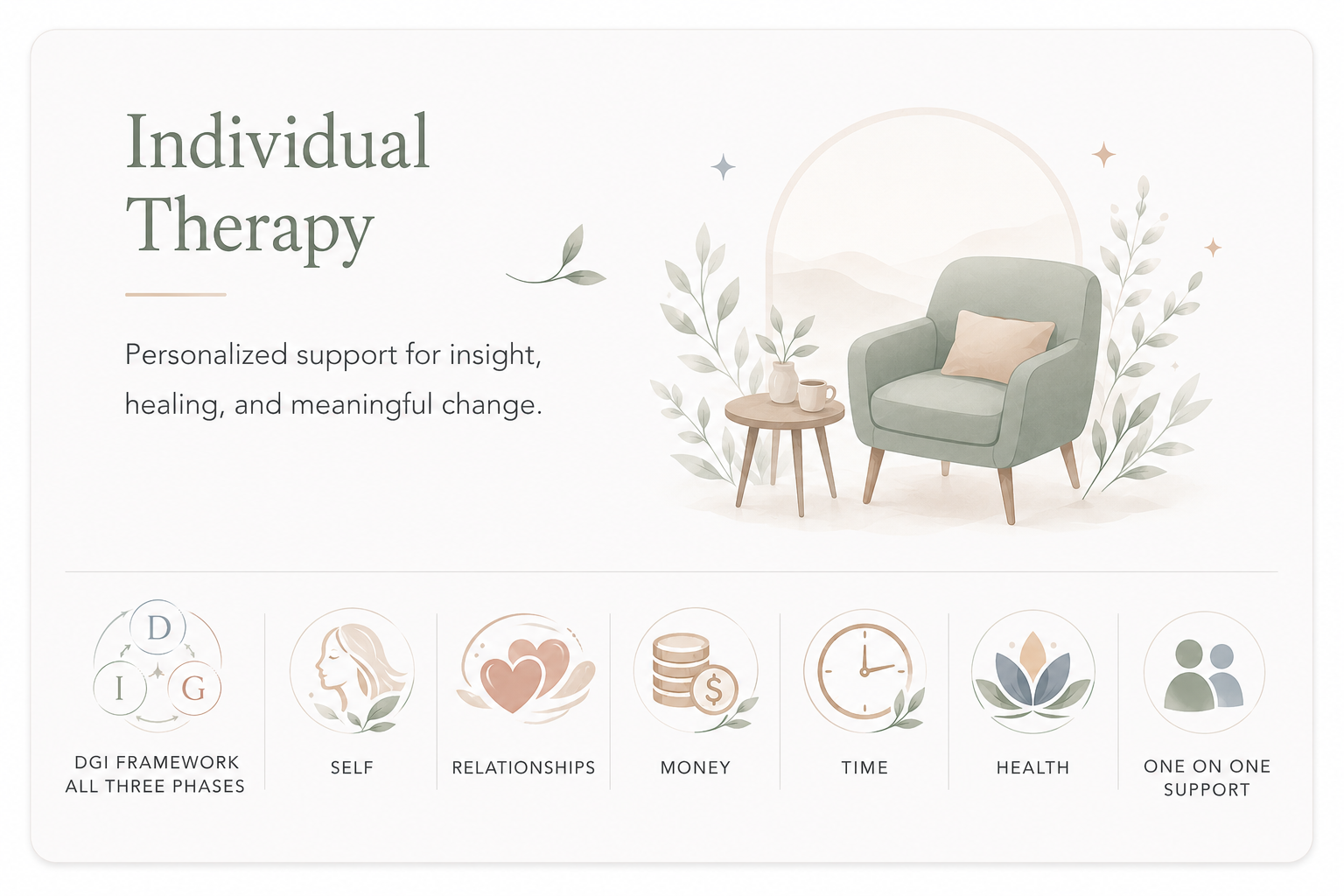
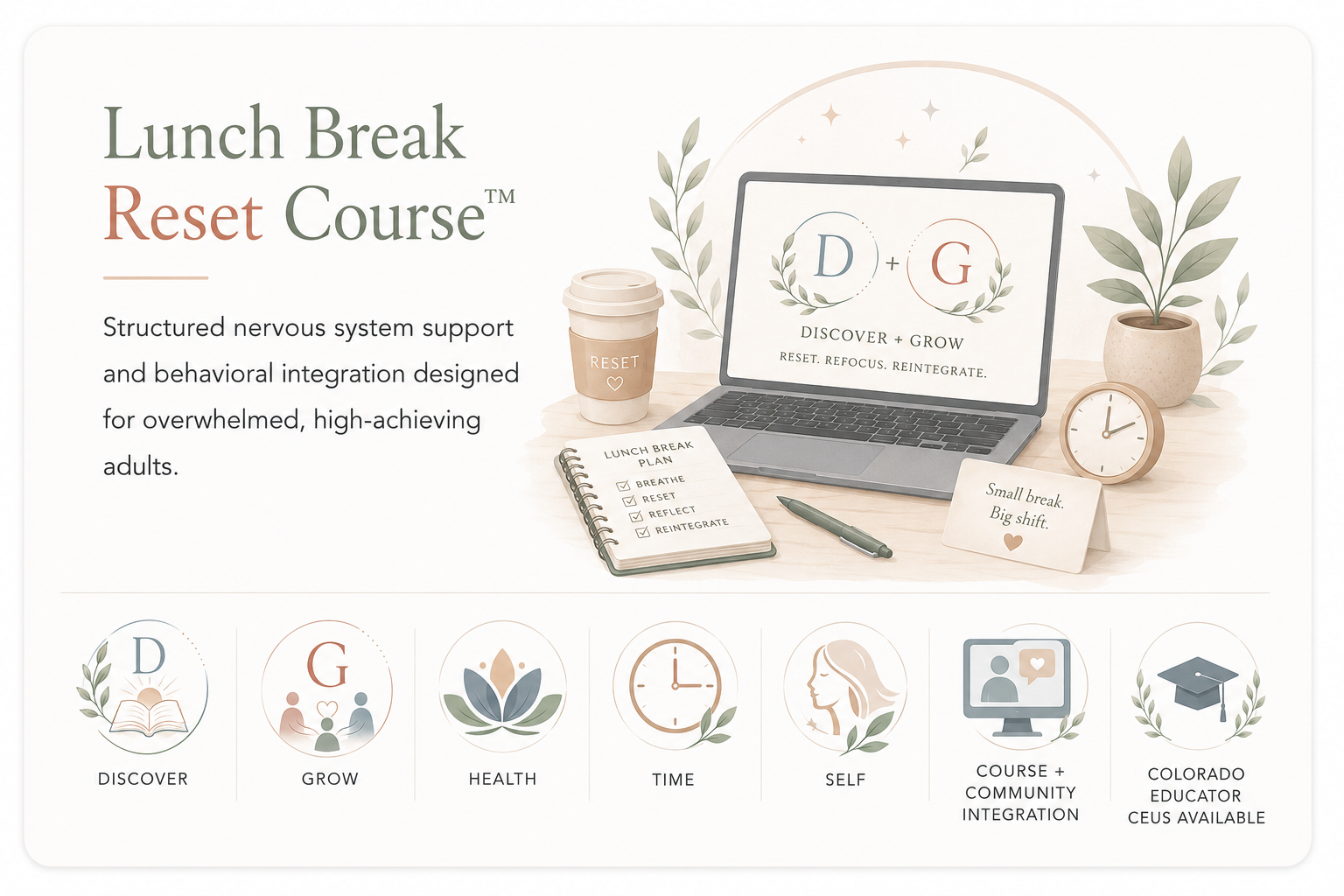
During seasons of heightened stress, clients often benefit from multiple points of support and integration throughout the week rather than relying on a single therapy hour alone. For example, a client may attend an individual therapy session on Monday morning to process burnout, anxiety, perfectionism, or relational stress, participate in a Lunch Break Reset™ Walk & Talk during the lunch hour on Tuesday to practice nervous system regulation and present-moment awareness in real time, and then attend a therapy group on Wednesday afternoon for additional support, accountability, connection, and skill integration.
Rather than keeping therapy isolated to one conversation each week, this ecosystem allows clients to remain more consistently connected to the work of making Toward Moves within the environments and stressors of everyday life..
During Maintenance Seasons
During lower-stress or maintenance seasons, clients often shift into rhythms of support that provide continued connection and integration without requiring the same level of intensity. One client may continue weekly individual therapy while adding a Lunch Break Reset™ for additional nervous system support and real-life application. Another may move into bi-weekly therapy while using Lunch Break Reset™ sessions during the “between weeks” to stay connected to the work in a more sustainable way. Others may participate in weekly therapy groups while attending individual therapy once a month for deeper processing and recalibration, while also utilizing courses and workshops to continue building skills, reflection, and intentional practice between sessions.
Because this ecosystem is intentionally flexible, clients are able to build combinations of support that align with their current capacity, stress level, goals, and season of life. The goal is not constant self-improvement or staying perpetually “in therapy.” The goal is helping clients move beyond insight alone and develop consistent opportunities for application, integration, and meaningful Toward Moves within everyday life.
The Science of Sustainable Change
Lasting change rarely happens through insight alone.
Research in learning science, behavioral psychology, and nervous system regulation consistently demonstrates that sustainable transformation requires repetition, contextual application, experiential learning, and social reinforcement.
Insight may create awareness.
But integration creates change.
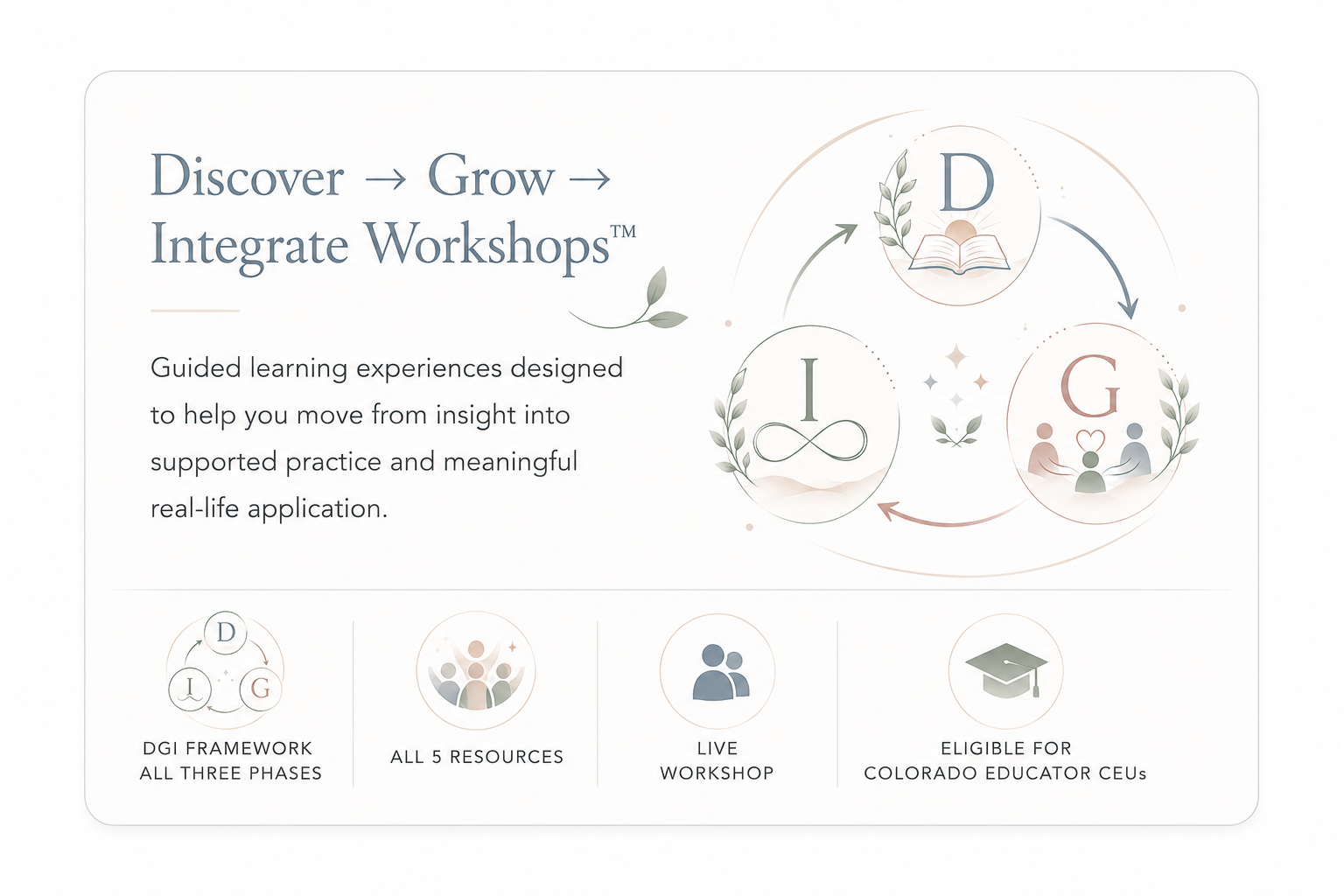
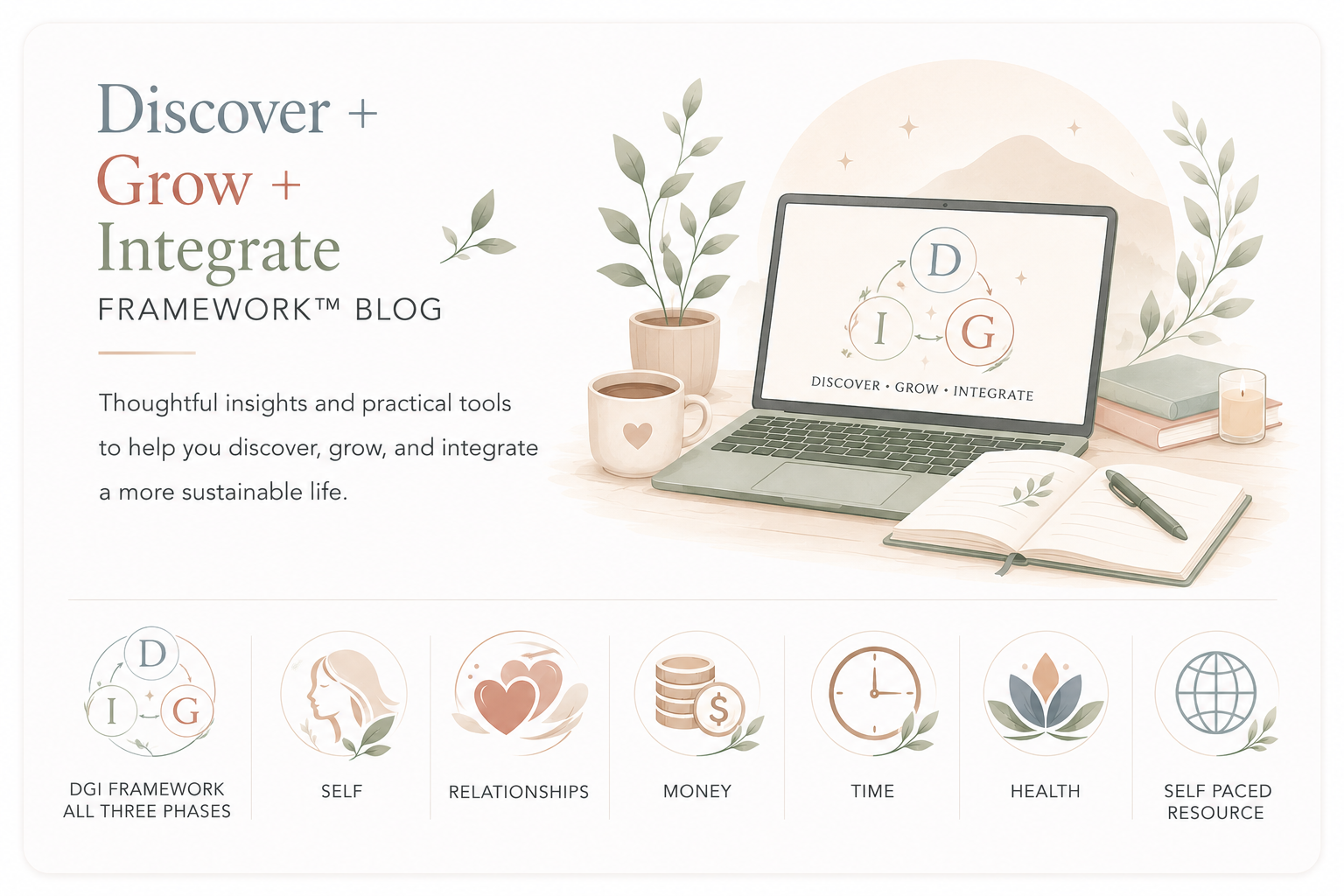
This is why our Discover + Grow + Integrate™ framework emphasizes:
Discovering patterns and increasing awareness
Growing psychological flexibility and practical skills
Integrating those skills into real-world contexts over time
Our approach is intentionally designed to bridge the gap between understanding what helps and actually being able to live it consistently.
Why This Matters to Me
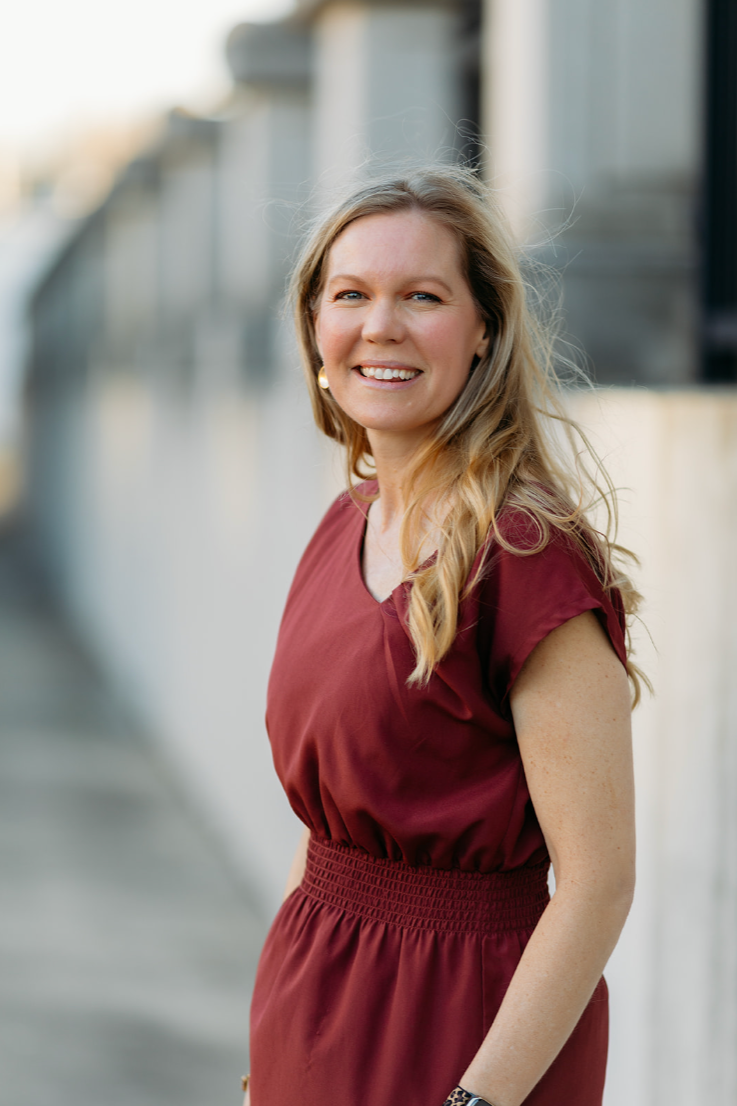
A Note from Founder & Therapist
Emily MacNiven, LPC
I built The Red Door Therapy & Wellness Solutions because I saw too many brilliant, capable people “succeeding” externally while quietly losing themselves underneath the pressure of chronic striving and over-functioning.
I know what it feels like to have a mind that constantly races toward the next outcome and a nervous system that struggles to slow down long enough to actually experience life.
I also know that many high-achievers do not need more information.
They need support structures that make sustainable change more possible within the reality of their lives.
My hope is that this ecosystem helps people move beyond simply surviving stress and begin reconnecting with vitality, flexibility, meaning, and presence in ways that ripple outward into their relationships, families, workplaces, and communities.
From Racing to Reclaiming
You may have spent years mastering the art of productivity, over-functioning, emotional suppression, or carrying more responsibility than your nervous system was ever meant to hold alone.
It makes sense that those patterns developed.
But survival mode is not the same thing as vitality.
At The Red Door, our goal is to help clients move from reactive survival toward intentional participation in their lives through meaningful, sustainable Toward Moves practiced over time.
Ready to Make Your First Toward Move?
-
Explore our therapists and schedule an individual therapy session.
-
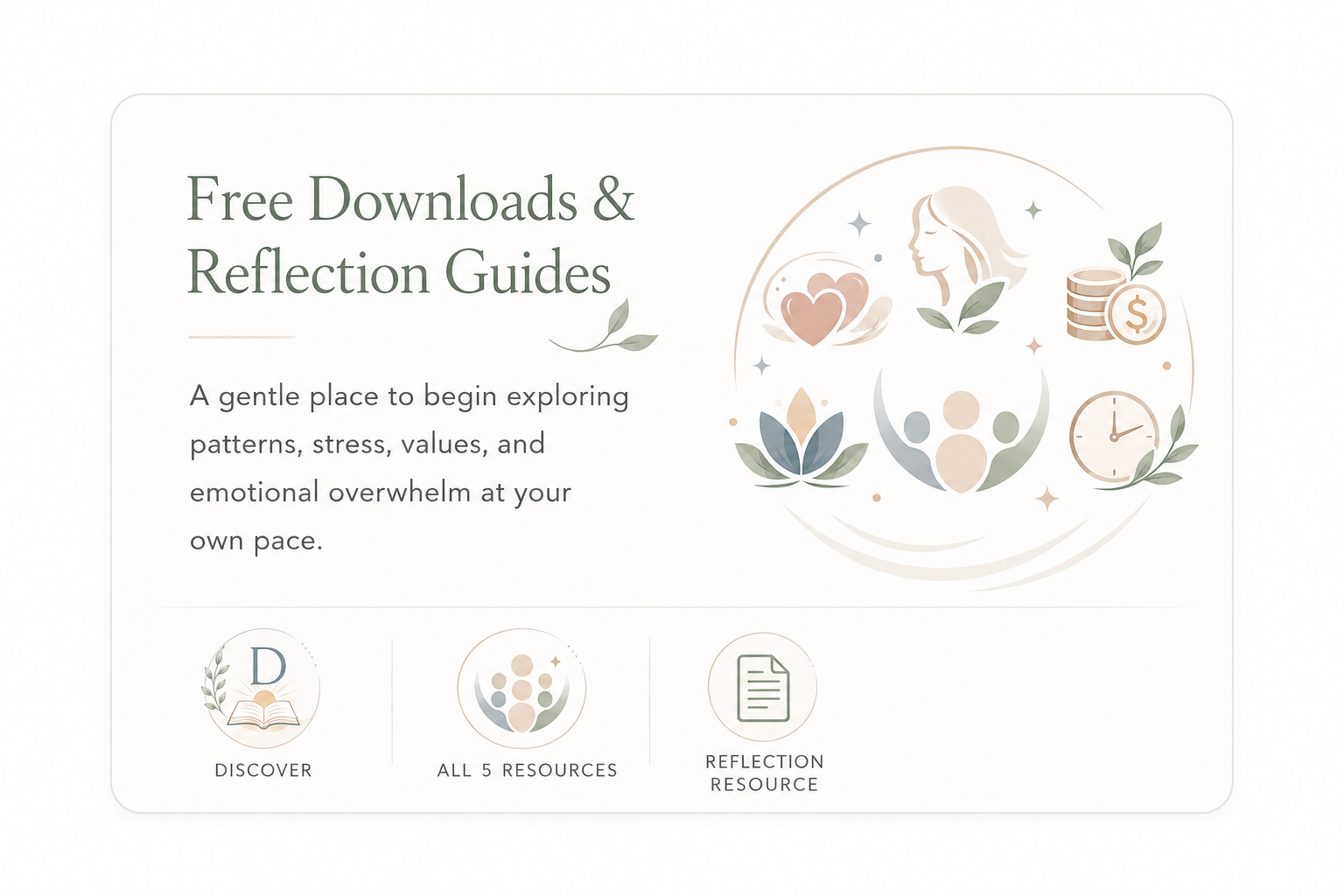
Explore Lunch Break Reset Walk & Talks™, therapy groups, workshops, and courses.
-
Schedule a complimentary consultation!
We will help you determine which level of support best fits your current season of life.
The Red Door Therapy & Wellness Solutions
Support Built For Meaningful Change