Customized mental health and burnout support embedded into the realities of high-stress workplaces.
The Red Door Embedded Wellness Initiative™



Supporting the People Who Keep Your Organization Running
Across schools, healthcare systems, nonprofits, leadership teams, and helping professions, many organizations are facing increasing levels of burnout, emotional exhaustion, staffing strain, and workplace fatigue.
Leaders are being asked to support employee wellbeing while simultaneously navigating staffing shortages, retention concerns, increasing demands, limited time, and growing operational pressure. Many organizations genuinely care about their employees and want to create healthier workplace cultures, but finding support options that employees can realistically access and sustain within the realities of the workday is often the challenge.
When employees are already overwhelmed, even valuable wellness resources may go underutilized if support feels difficult to access, disconnected from daily workflow, or like “one more thing” added to already overloaded schedules.
The challenge is rarely a lack of care around employee wellbeing. The challenge is implementation.
The Red Door Embedded Wellness Initiative™ was created to help organizations move beyond surface-level wellness efforts by providing more accessible, integrated, and sustainable mental health and burnout support designed to fit the realities of high-stress workplaces.
Many organizations have already invested in wellness initiatives, trainings, or support resources.
Yet leaders often continue seeing: emotional exhaustion, chronic stress, burnout-related disengagement, low morale, staffing instability, retention struggles, compassion fatigue, and increasing workplace overwhelm.
The reality is that most employees already intellectually understand what supports mental health: rest, boundaries, movement, emotional support, stress management, slowing down, and asking for help.
Moving Beyond Wellness as an Idea
But in high-demand environments, knowing what helps and consistently implementing it are often two very different things.
The Embedded Wellness Initiative™ focuses on reducing the gap between encouraging wellness and making support realistically accessible within the structure of the workday itself.
Rather than relying solely on passive wellness resources or after-hours support, this model brings implementation-focused mental health support into the environments where stress is already occurring.
What Makes Embedded Wellness Different?
-
→ Accessible
→ Practical
→ Relational
→ Sustainable
→ Collaborative
→ Integrated into existing workplace realities -
Support is customized based on the needs, stressors, and operational realities of each organization and may include:
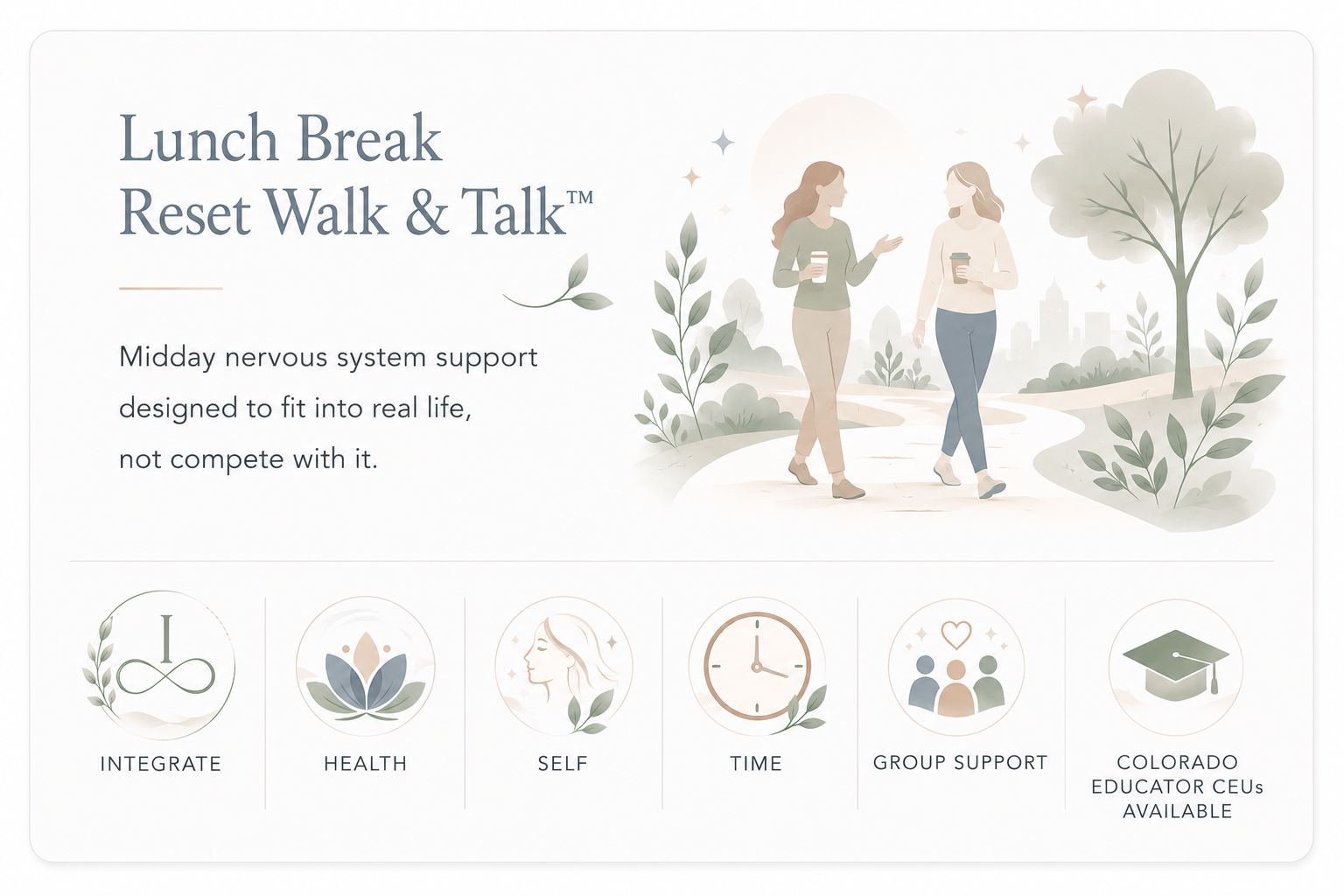
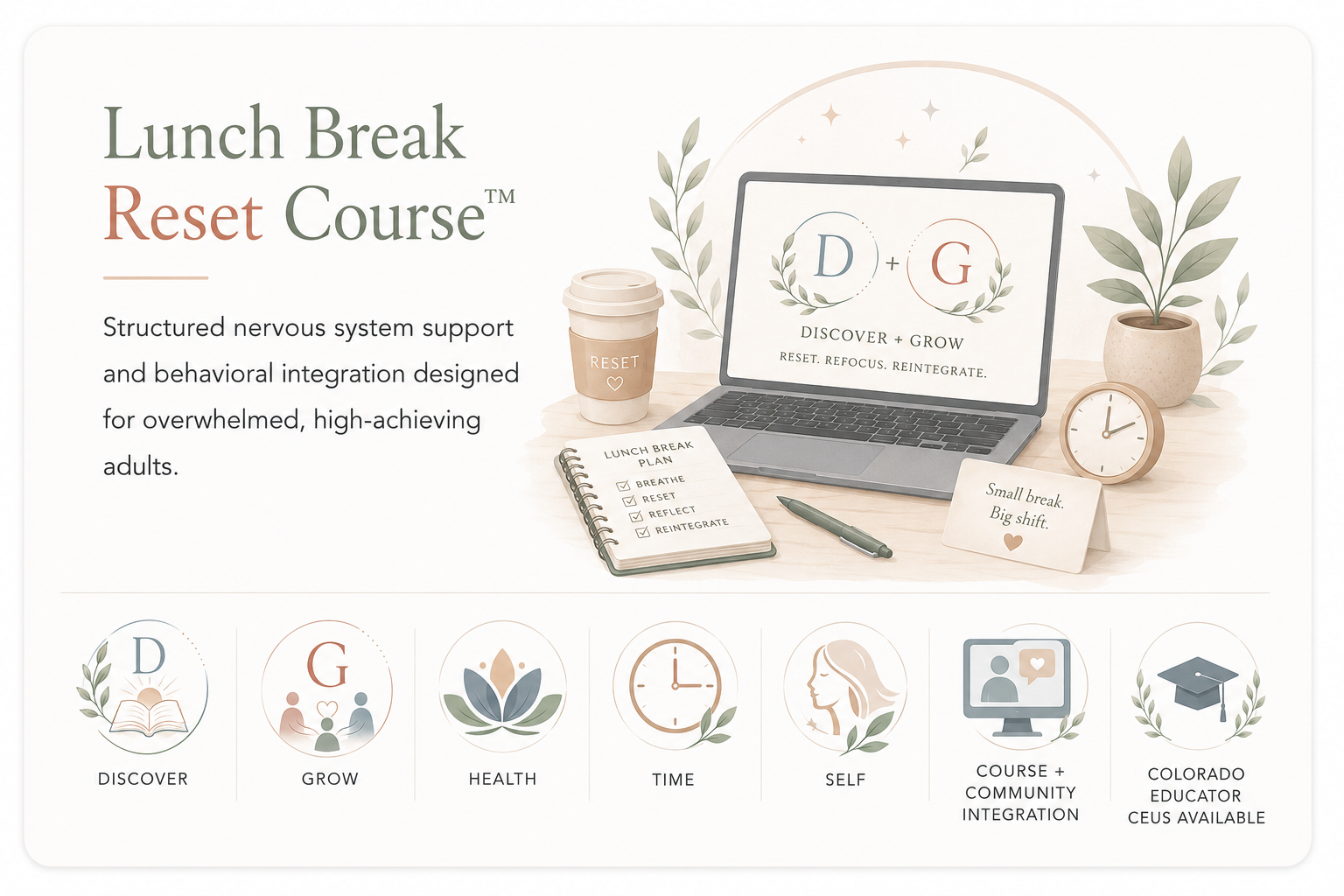
Lunch Break Reset™ sessions
Walk & Talk support
Burnout prevention workshops
Nervous system regulation and stress recovery support
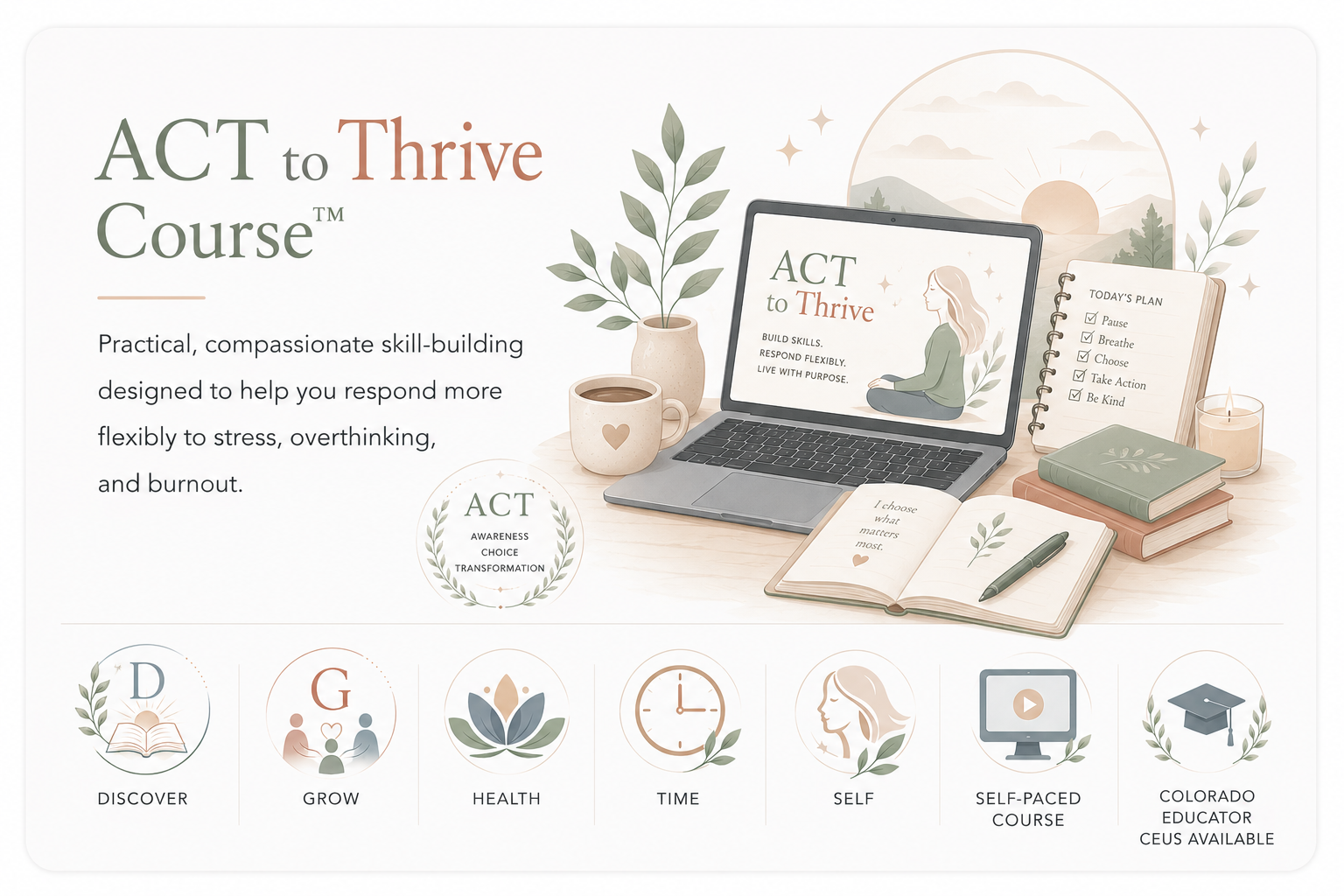
ACT-informed psychological flexibility training
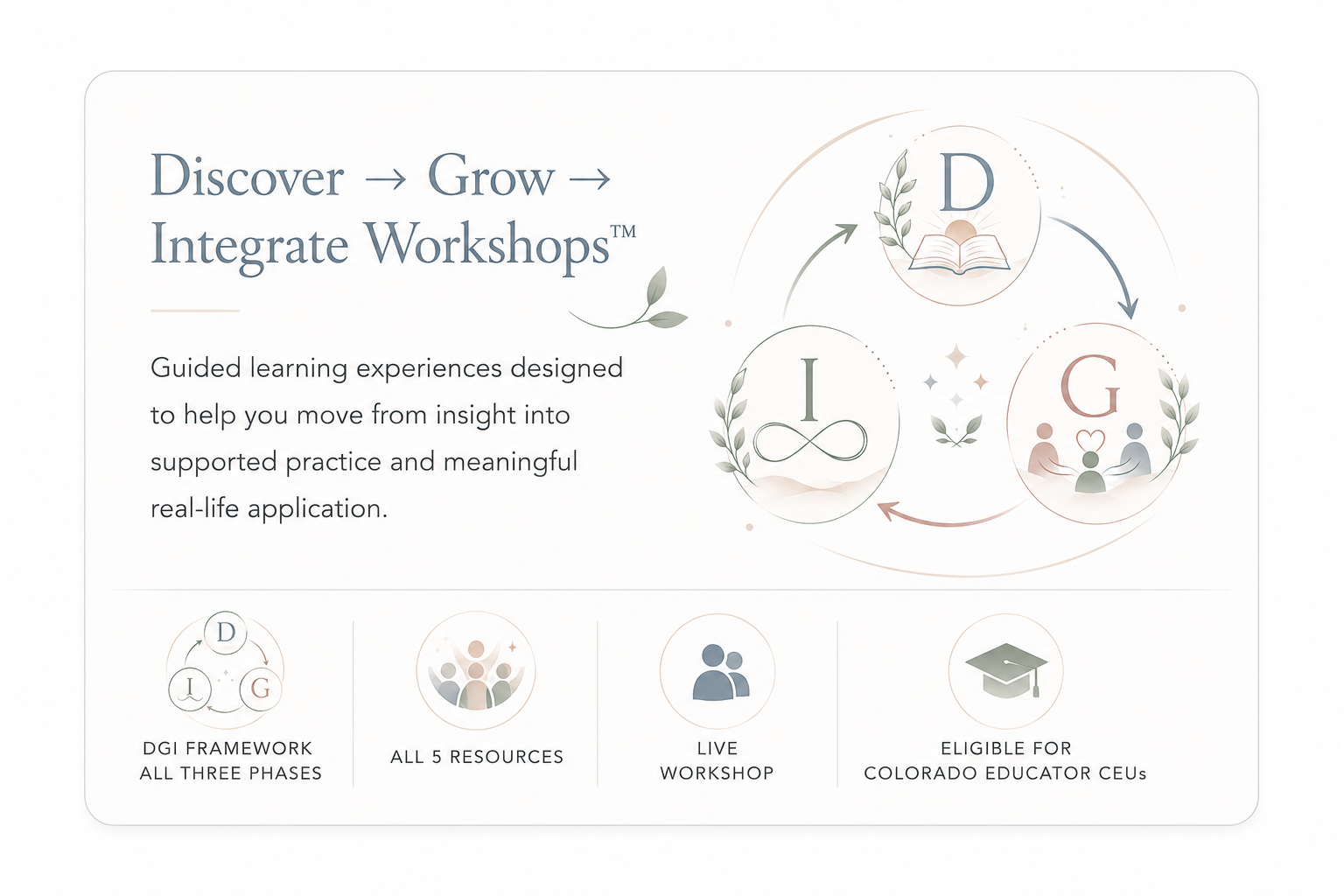
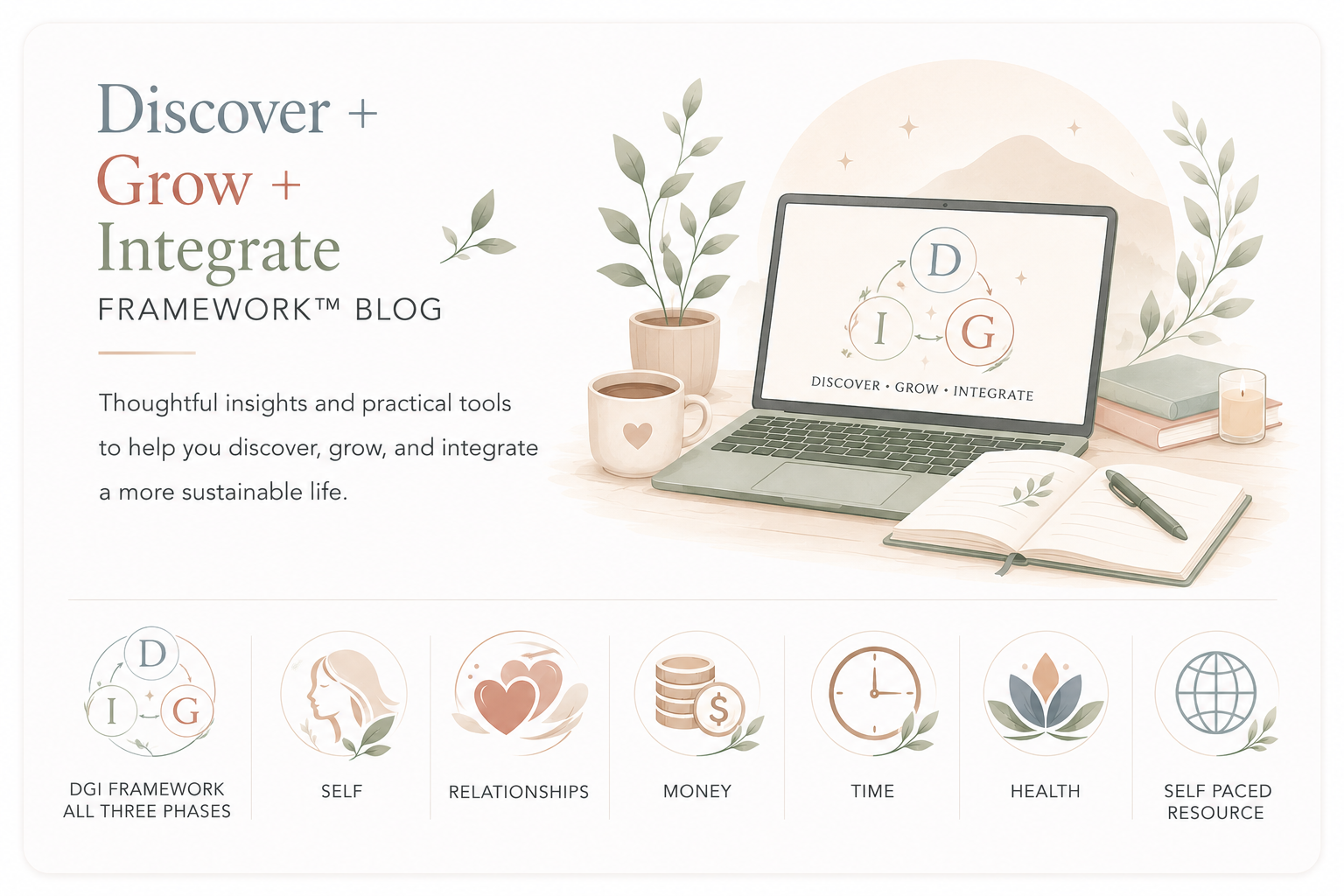
DGI (Discover → Grow → Integrate™) workshops
Leadership Wellness Consultation
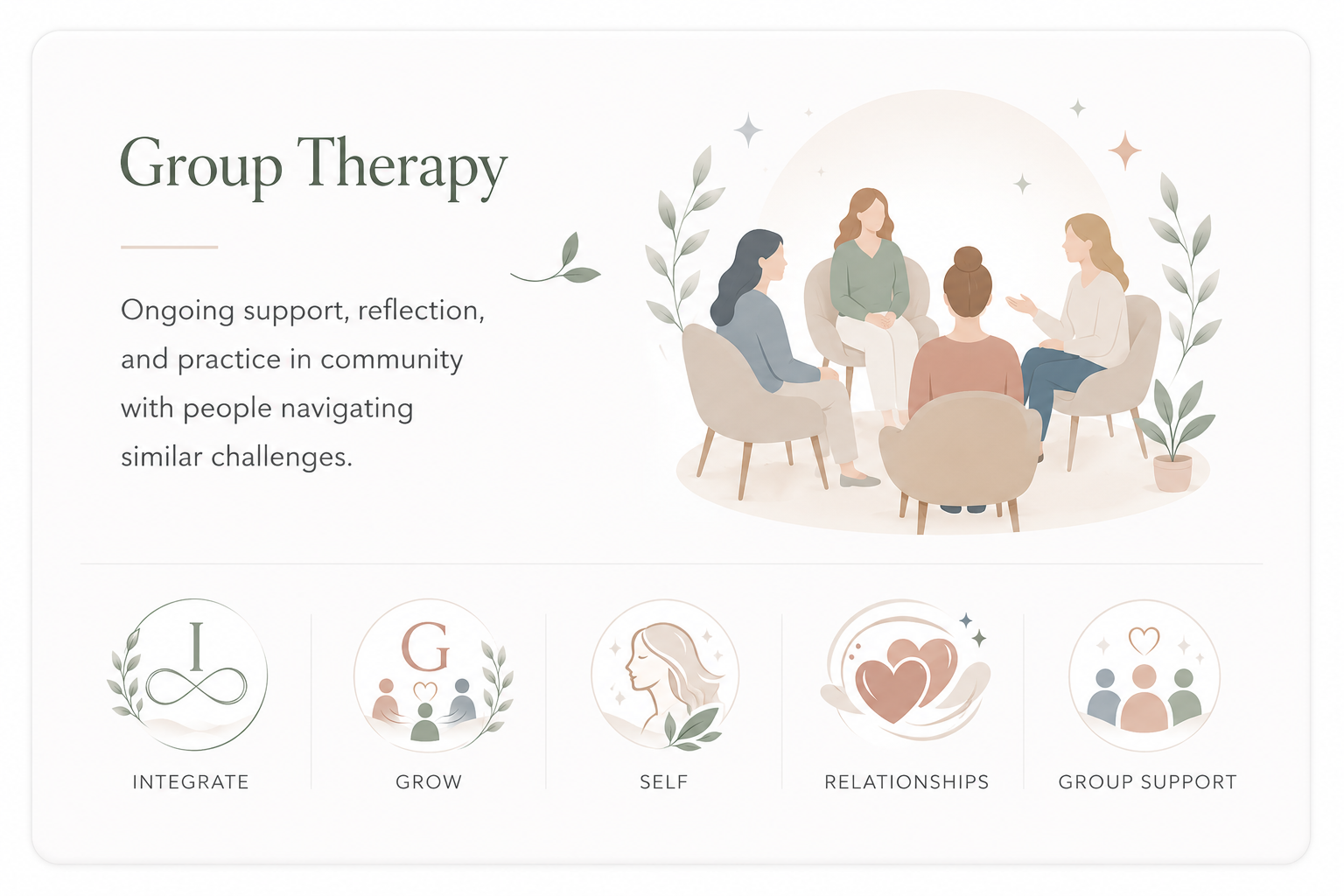
Staff support groups
Embedded wellness access blocks during the workday
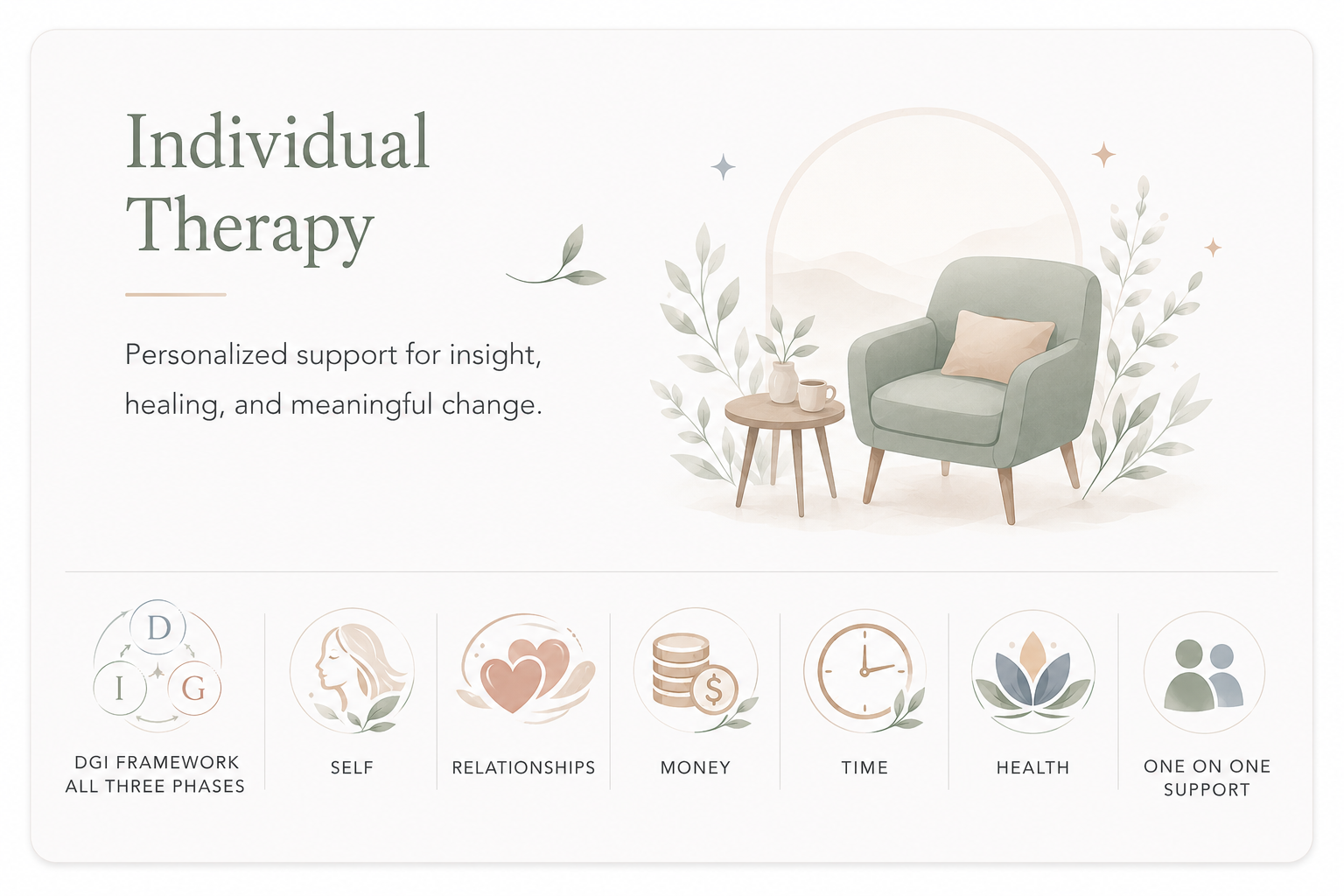
Optional pathways to individual therapy support when appropriate
The goal is not perfection or productivity at all costs.
The goal is to help organizations create more emotionally sustainable environments where employees feel supported, valued, and better equipped to navigate chronic stress over time.


Let’s explore what customized embedded wellness support could look like within your organization.
High-stress organizations are often navigating increasing emotional exhaustion, staffing strain, retention challenges, and workplace fatigue while trying to support employees within already overwhelmed systems.
Many leaders recognize the impact burnout is having on morale, engagement, communication, and long-term sustainability, but struggle to find wellness solutions that employees can realistically access and consistently use within the demands of the workday. Flexible, embedded support allows organizations to move beyond one-size-fits-all wellness initiatives by creating more accessible, practical, and sustainable mental health support that can be tailored to the unique needs, stressors, and operational realities of their teams.
Flexible Support for Burnout-Prone Organizations
-
Educators, counselors, administrators, and school staff are working within increasingly demanding environments where emotional labor, cognitive overload, staffing shortages, behavioral challenges, and constant responsibility can make sustainable wellbeing difficult to maintain over time. Many school leaders deeply care about supporting staff morale and retention, yet are simultaneously navigating operational pressures, limited resources, substitute shortages, increasing student needs, and growing levels of burnout across school systems.
In many educational settings, employees spend their days continuously caring for, supporting, managing, and responding to the needs of others while having very little protected time for their own recovery, regulation, or support. Over time, chronic stress and emotional exhaustion can begin impacting morale, engagement, communication, retention, and the long-term sustainability of both staff wellbeing and school culture.
Embedded wellness support helps schools create more accessible and realistic pathways to mental health and burnout support that fit within the realities of educational environments rather than becoming one more expectation placed on already overwhelmed staff. Support may help schools:
improve staff morale and emotional sustainability
support educator retention efforts
reduce burnout-related disengagement and exhaustion
create more accessible wellness support within the school day
strengthen workplace culture and staff connection
provide more proactive support before burnout escalates to crisis levels
reduce the gap between encouraging staff wellness and making support realistically accessible within school systems
Built by a former teacher, school counselor, and principal, this work is grounded in firsthand understanding of both the operational and emotional realities educators and school leaders navigate every day.
-
Healthcare professionals, mental health providers, nonprofit staff, and caregivers often work in environments where the emotional demands never fully turn off. Many spend their days holding space for crisis, urgency, grief, high responsibility, and the needs of others while quietly pushing through their own exhaustion in order to continue showing up for the people who rely on them. Over time, the constant pressure to care for others without adequate space for recovery can begin impacting emotional sustainability, morale, retention, workplace culture, and overall wellbeing across teams.
Many organizations within helping professions deeply value the wellbeing of their staff, yet leaders are often navigating ongoing staffing shortages, increasing service demands, emotional fatigue, and limited capacity for employees to access meaningful support during already overwhelming workdays. As burnout escalates across healthcare and helping professions, many organizations are searching for support that feels more practical, accessible, and sustainable within the realities of caregiving work.
Embedded wellness support helps organizations create more accessible pathways to mental health and burnout support that integrate into the flow of demanding work environments rather than becoming one more responsibility employees are expected to manage after hours. Support may focus on:
compassion fatigue
emotional exhaustion
chronic stress recovery
sustainable caregiving practices
nervous system regulation
psychological flexibility
accessible workplace wellness support
reducing burnout escalation before employees reach crisis levels
helping employees sustain both their wellbeing and their ability to continue caring for others over time
-
Leadership teams and professionals in business and tech industries are often operating in fast-paced, high-performance environments where constant connectivity, rapid decision-making, shifting demands, and pressure to maintain productivity can create chronic cognitive and emotional overload over time. In many workplaces, employees are balancing heavy workloads, high visibility, ongoing performance expectations, and cultures that unintentionally reward overfunctioning, constant availability, and pushing through stress without adequate recovery.
While many organizations recognize the growing impact burnout is having on morale, retention, engagement, communication, and long-term sustainability, leaders are often searching for support options that employees can realistically access within the realities of demanding work environments.
Embedded wellness support helps organizations move beyond surface-level wellness initiatives by creating more accessible, implementation-focused mental health and burnout support integrated into the flow of the workday itself. Support may help organizations:
improve morale and emotional sustainability
reduce burnout-related disengagement
strengthen communication and workplace culture
support employee retention and long-term sustainability
create more realistic and accessible pathways to support
help high-achieving employees respond to stress more flexibly and sustainably
reduce the gap between encouraging wellness and making support realistically implementable within high-demand workplace cultures
move from reactive burnout management toward more proactive, sustainable support systems

Built From Both Clinical and Systems-Level Experience
The Red Door Embedded Wellness Initiative™ was created by Emily MacNiven, LPC, whose professional background spans education, leadership, counseling, and organizational systems. As a former teacher, school counselor, school principal, and now small business owner & therapist, Emily brings both clinical expertise and firsthand understanding of the operational, emotional, and structural realities professionals and organizational leaders navigate within high-stress environments.
Rooted in principles from implementation science, organizational wellness, and Acceptance and Commitment Therapy (ACT), this work recognizes that meaningful support is not created through information alone. Sustainable change requires systems, structures, consistency, accessibility, and opportunities for ongoing integration within the realities of everyday work environments.
The Embedded Wellness Initiative™ utilizes The Red Door’s Discover → Grow → Integrate™ (DGI) framework to help organizations move beyond one-time wellness efforts toward more sustainable and connected support systems. Through customized implementation, relational support, practical skill integration, and community-centered wellness experiences, organizations are better equipped to create cultures where employee well-being becomes more accessible, supported, and sustainable over time.
Rather than adding more disconnected wellness initiatives to already overwhelmed systems, this approach focuses on building practical, flexible, and implementation-focused support structures that align with the actual needs, demands, and culture of each organization.
Let’s Build Support That Fits the Realities of Your Workplace.
Every organization has different stressors, staffing structures, and support needs. The Embedded Wellness Initiative™ is designed to be collaborative and adaptable rather than one-size-fits-all.
Whether your organization is looking to support educators, healthcare professionals, leadership teams, or employees navigating chronic stress and burnout, The Red Door can help create customized wellness support that integrates into the realities of your workplace.


Let’s explore what customized embedded wellness support could look like within your organization.
The Red Door Therapy & Wellness Solutions
Support Built For Meaningful Change